
Hunza Hands & Harvest Fund
Practical support.
Measurable progress.
A focused community initiative for growers and women artisans in Hunza.
Why it exists
Behind every finished piece is work that begins long before the customer sees it.
In an orchard, the visible harvest is only the final chapter of a much longer year. Trees are pruned and watered, weather is watched, fruit is picked at the right moment, and each batch is sorted, dried or stored with care. In a home or workshop, a handmade piece also begins quietly—with materials, practiced hands, time and the concentration needed to make something well.
Hunza is rich in skill. What is not always equally available are the practical tools, focused learning and dependable market connections that help people protect the value of that skill. Hands & Harvest exists to respond to those gaps carefully and realistically.
It is not built around grand promises. It begins with work that can be understood, delivered and useful in everyday life.
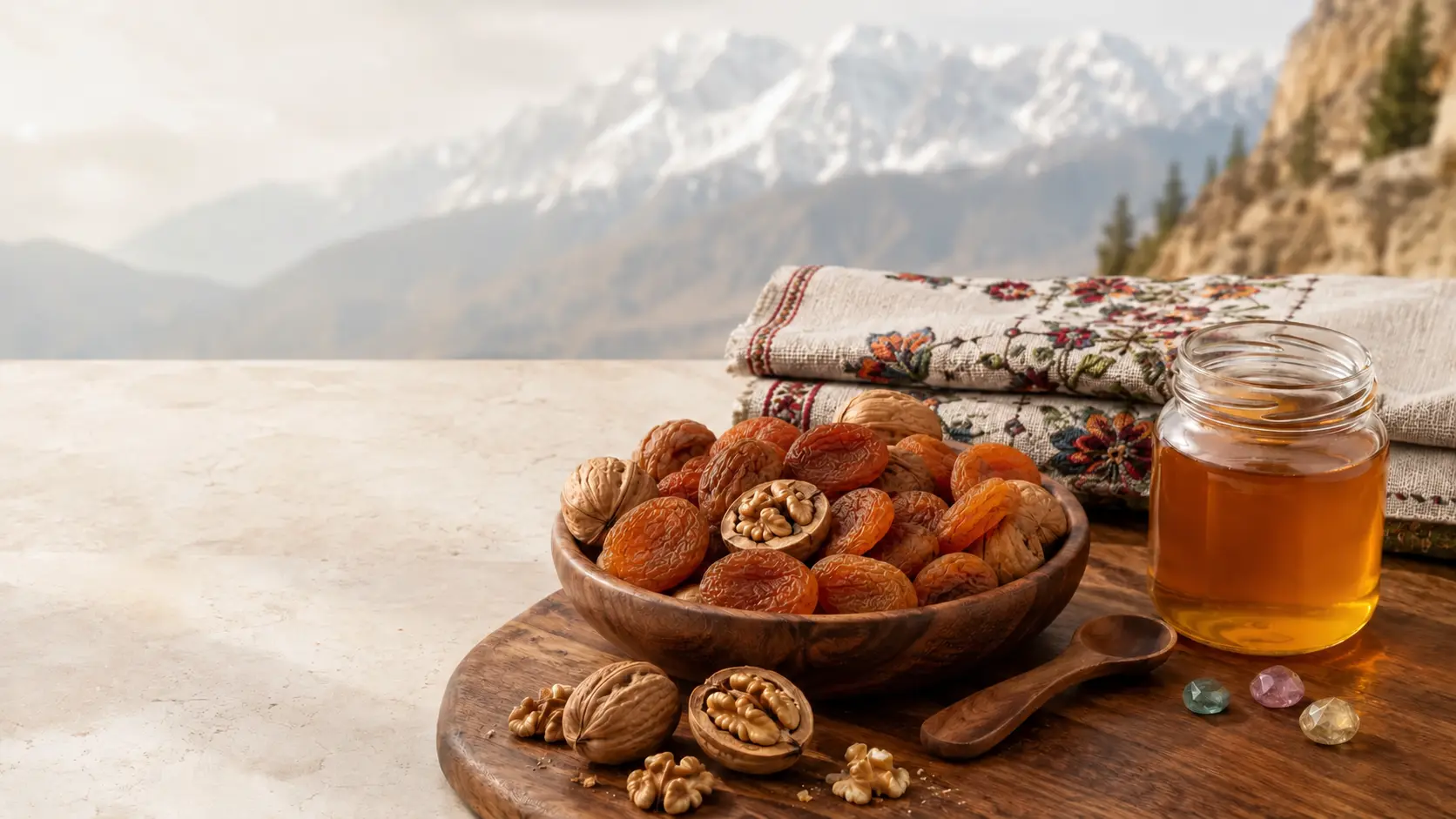
The harvest
Protecting the value of a season’s work.
Small improvements at harvest time can affect how much of a crop remains usable and how well it reaches the market. Clean collection surfaces, appropriate tools, safer working equipment, careful sorting and better handling can reduce avoidable damage while making demanding seasonal work more manageable.
The Fund’s grower-focused work may therefore include practical orchard or harvesting tools, basic protective equipment and focused capacity building around picking, grading, drying, storage and value addition.
Priorities will be shaped by conversations with the people doing the work. A useful tool chosen with local input matters more than an impressive activity that does not solve a real problem.
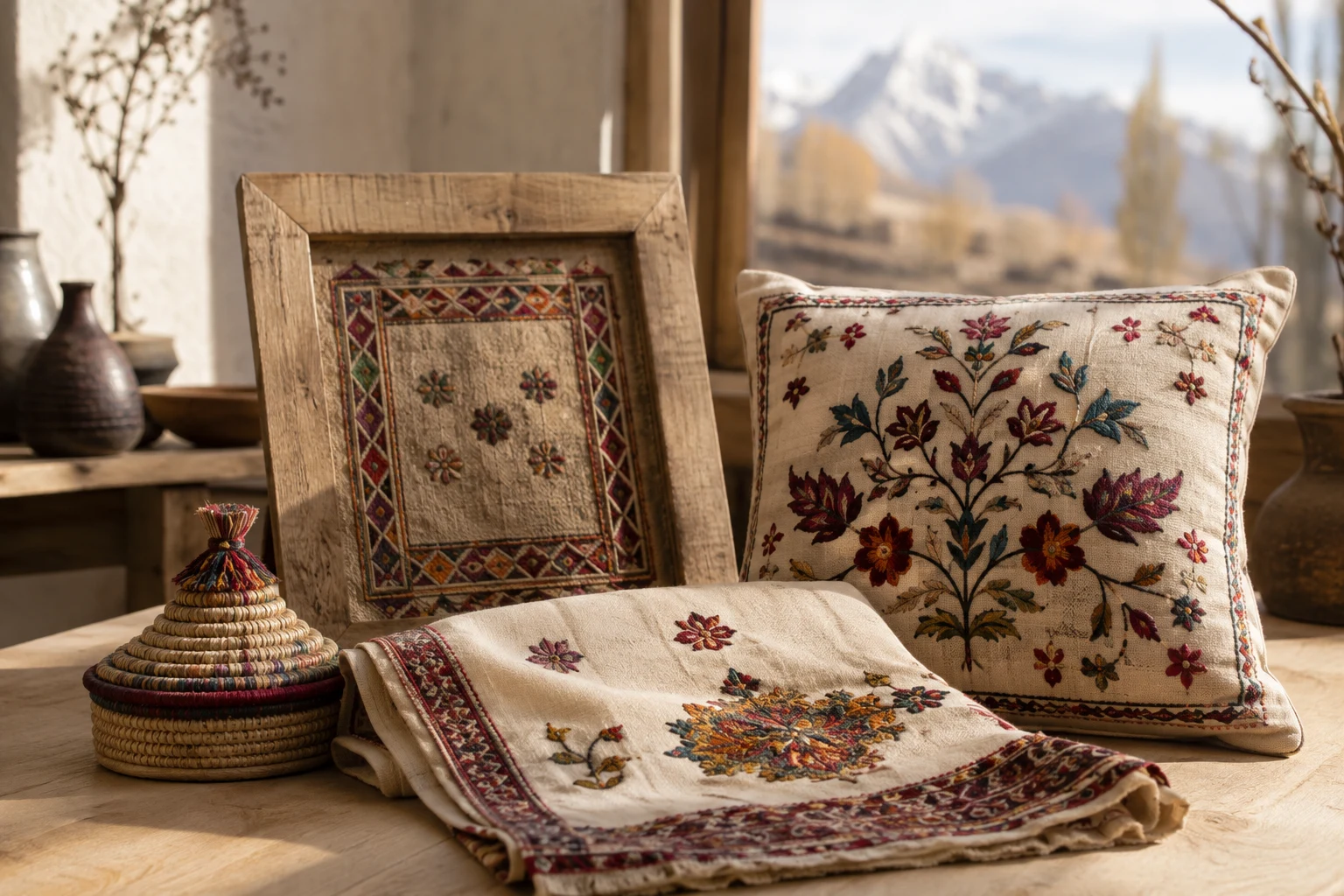
The hands
Creating a stronger path from skill to income.
Women across Hunza already carry valuable skills in embroidery, stitching, weaving and other forms of handwork. The challenge is often not whether the skill exists, but whether makers can access suitable tools, strengthen consistency and connect their work with customers beyond their immediate community.
Hands & Harvest will support practical capacity building and essential craft tools where they can make a meaningful difference. It may also create opportunities for experienced makers to share techniques with other women, helping knowledge remain active rather than disappearing between generations.
The aim is dignified economic participation. Women are presented as skilled makers and earners—not as background characters in someone else’s charity story.
How the work will happen
Listen first. Choose carefully. Deliver what is realistic.
The Fund will grow in stages so each activity remains manageable. We will not describe an intention as an achievement or use ambitious language before practical work has taken place.
- 01
Understand the need
Speak with growers, women artisans and people familiar with the work to identify a specific, useful gap.
- 02
Choose a focused response
Prioritise tools or learning that are affordable, relevant and realistic to deliver.
- 03
Put it into practice
Work with a small, clearly defined group instead of spreading support so widely that it loses value.
- 04
Learn before expanding
Listen to what was useful, what should change and whether the next step is justified.
What progress means
Practical signs that
the work is helping.
Safer, easier work
Tools or equipment that make a recurring task more manageable.
Better protected value
Improved handling, sorting, drying or craft consistency.
Skills that continue
Useful knowledge shared between experienced people and those building confidence.
More routes to income
Stronger readiness to present and sell products through dependable channels.
A realistic commitment
Built to grow carefully—not to look bigger than it is.
Who will the Fund support?
The present focus is growers and women artisans in Hunza. Individual activities depend on genuine needs, feasibility and available resources.
Will every activity be large?
No. A well-chosen tool or a focused learning session can be more useful than a large programme designed mainly for attention.
How will priorities be selected?
We begin with conversations, identify a practical need and choose only work that can be delivered responsibly.
How will the initiative grow?
Gradually, alongside the business and the relationships behind it.